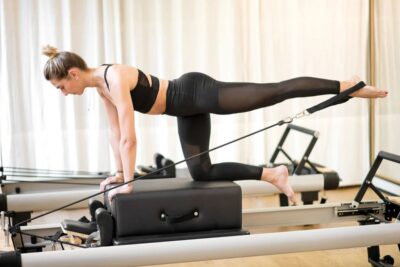

Running a pilates studio alone often starts as a labor of love. Soon, it turns into a non-stop endurance test. You are the instructor, front-desk receptionist, marketer, cleaner, and accountant.
You unlock the doors at 5:45 a.m. to prep the reformers and teach back-to-back classes through the morning rush. On a quick 15-minute break, you answer Instagram DMs. At 9:00 p.m., you catch up on billing while your dinner gets cold.
It is a rewarding path, but managing a pilates studio by yourself can quickly lead to studio owner burnout. This guide breaks down the real pilates studio owner daily routine hour by hour. Learn how a solo pilates studio owner can reclaim precious hours without hiring a full team yet.
Running a Pilates Studio Alone: The Weekly Reality
A solo boutique studio owner handles far more than teaching. Your calendar is packed with hundreds of invisible micro-tasks that keep the business alive.
Here is what a full week of solo studio operations actually looks like:

The Invisible Hours
Teaching 20 to 25 classes a week is physically demanding. However, off-carriage tasks drain your energy fast:
-
Front-desk admin: Rescheduling late texts, explaining pack rules, and fixing failed payments.
-
Facility upkeep: Sanitizing straps, checking reformer springs, wiping carriages, and stocking towels.
-
Off-hours management: Administrative tasks eat over 15 hours a week for independent operators without software, per 45 Pilates Industry Statistics Every Studio Owner Should Know (2026).
When running a pilates studio alone, true disconnect time is rare. Booking requests and questions roll in continuously.
The Hidden Costs of Doing It All Yourself
Staying solo keeps you in total control. Yet, manual systems create hidden friction that limits your revenue:
1. Late Cancels Eat Margins
Boutique reformer studios usually operate with 6 to 12 reformers per class. When a member no-shows, that empty reformer is lost revenue. An automated system must charge a fee or fill the spot instantly.
2. Complex Rules Confuse Front-Desk Coverage
Offering single drop-ins, 10-class packs, and monthly memberships creates front-desk confusion. Answering billing questions right before class delays your start time and disrupts client flow.
3. Manual Systems Waste Time
Spreadsheets, paper waivers, and disconnected tools cause double-entry work. Manually syncing scheduling platforms with apps like Trainerize wastes hours. Use those hours to execute 12 Pilates Studio Marketing Strategies to Grow Members in 2026 instead.
4. Long-Term Burnout
Publications like Pilates Bridge highlight the freedom of a small studio footprint. Still, wearing every hat manually is rarely sustainable over time.
What to Fix First When You Can’t Hire Yet
You do not need to hire front-desk staff right away. Studio management software acts as a virtual assistant to triage your workload:
When (and How) Solo Owners Start Getting Their Time Back
Automation keeps your personal touch intact while removing daily chaos. As outlined in How to Open a Pilates Studio: The Honest Guide to Starting Your Own Pilates Business, a sustainable studio requires protecting your energy.
Delegate repetitive admin tasks to software. Focus your energy on teaching and growing your community.
What Real Studio Owners Say
“I see Glofox as a holistic overall partner, not just as a booking platform but as a partner for our growth.”
— Joy Bitonio, Owner of KOMO Studio (Kailua, HI)
“Glofox enabled us to scale seamlessly from serving 10 clients an hour to over 40 clients an hour without losing our personal community touch. Automating our bookings, payments, and member communications freed up our team to focus entirely on teaching and member experience.”
— Kim Rosado, Founder of SOL Pilates LA
FAQs: Running a Pilates Studio Solo
How do solo Pilates studio owners manage everything themselves?
Solo owners succeed by setting strict daily routines and batching admin tasks. They use all-in-one studio management software to handle bookings, waitlists, recurring billing, and member communications automatically.
Is it realistic to run a Pilates studio by yourself?
Yes, running a studio solo is realistic with firm boundaries around capacity, schedule, and admin workload. Running a studio solo without software automation often leads to operational bottlenecks and burnout.
What should I automate first as a one-person Pilates studio owner?
Automate booking confirmations, waitlist fills, late-cancel fee processing, and recurring payments. Automating these four areas protects reformer revenue and eliminates hours of manual front-desk work.
How many hours a week does a solo Pilates studio owner typically work?
A solo owner typically works 45 to 60 hours per week. This includes 15 to 25 hours of teaching and 20 to 35 hours spent on admin, maintenance, marketing, and client support.
Take Back Control of Your Studio Schedule
Reclaim your week and run your boutique Pilates studio with ease.
See how ABC Glofox helps studio owners automate scheduling, eliminate late-cancel friction, and grow memberships effortlessly.