Running Fitness Ads on Instagram: A 2026 Guide

Get the monthly playbook digest
Unsubscribe any time.
Instagram is where people discover gyms. Six in 10 Instagram users interact with brands at least once a day, and many use the platform to find new products and brands, including local fitness businesses. That means discovery is already happening. The question is whether you can convert it.
Instagram ads help you turn that attention into booked trials and new members. This guide outlines a practical 2026 approach to driving sign-ups.
Instagram keeps getting bigger. It grew 13% in 2025 and now sits at 3B+ monthly active users globally. Brands are also increasing spending on paid social, with spend projected to rise another 14.6%. And among marketers, Instagram ranks as the #2 return-on-investment (ROI) channel after Facebook.
For gyms, studios, and multi-location clubs, Instagram is a full-fledged lead generation engine. Let’s break down how that actually works.
Instagram serves many purposes for fitness businesses. But its primary role is visibility and qualification.
Visibility means getting in front of enough local people, so they recognize your gym and remember it. Qualification means the content and ads filter out people who aren’t the kind of members you actually want, so the people who click are already the kind of members you want.
At the top, Instagram ads put your gym in front of people who:
For a gym, the real funnel looks like this:
The important part is this: Instagram does not close the sale on its own. It gets the right people into your pipeline. Your follow-up and onboarding should do the rest.
Impressions and likes are not useless, but they do not tell you if the funnel is working. Track what moves people forward.
At the top of the funnel, you should know if people are clicking:
These tell you if your creativity and offer are resonating and more people are entering your pipeline.
In the middle of the funnel, you should know if you’re getting the right leads at a workable cost:
At the bottom of the funnel, you should know if the leads are turning into visits and memberships:
Free Resource: The 4 Key Metrics Every Fitness Founder Should Track
Instagram ads are not a replacement for organic content. They serve different roles.
Use Instagram ads when:
Organic posts, on the other hand, build trust over time. They:
Organic posts, on the other hand, are also useful for testing. If a topic, angle, or offer performs well organically, that is a strong signal to invest paid budget behind it.
However, organic reach is limited to your current audience. Paid ads expand your top-of-funnel pipeline by consistently bringing in new local prospects.
Check Out: A Q1 2026 Onboarding Playbook for European Gyms & Fitness Studios
Let’s get you to set your Meta Business Suite in order with these 4 steps:
Define who you want more of, for each location.
Ask yourself:
Turn that into a simple profile: age range, lifestyle, schedule, goals, income level, and proximity to your club.
Inside Meta Ads Manager, this shows up as:
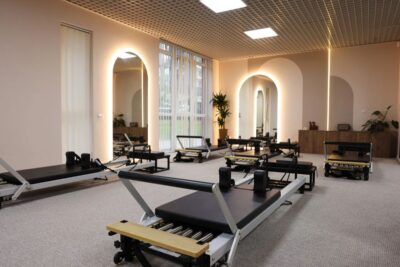
Something to remember: Broad local targeting plus strong creative often outperforms over-layered interest stacks. Your message is the qualifier. If you run a Pilates studio, show Pilates clearly. If you train busy professionals, reflect that lifestyle in your visuals and copy.
The more specific your positioning, the better the algorithm performs.
Start by deciding what you want the ad to do.
Brand-building ads are designed to help local people recognize, trust, and remember you. They are not meant to convert on the first click. These campaigns typically focus on:
This approach is useful when you’re not running a specific campaign, but want to remind them your doors are open. You can invite them to view your class schedule, follow for updates, or share your place.
Whenever you need to generate leads and members, you can retarget people who watched, clicked, or engaged.
Direct-response ads are designed to produce actions you can count: leads, bookings, trials, and calls. These campaigns work best when you want to fill capacity fast, such as:
Common direct-response offers include:
The key difference is simple: brand campaigns build familiarity while direct-response offers create bookings. Overall, most gyms need both, but the mix depends on whether you need attention or action right now.
Read More: A Guide to Using “Percentage” vs “Dollar” Discounts in Your Fitness Studio Promotions
Instagram leads cool off fast. The longer you wait to respond, the lower your chances of booking the trial, tour, or first class. So before you launch ads, decide the one path you want every lead to take:
Then make sure your team can respond quickly and consistently. The ultimate goal is to get interested people through your door or at least part of your management software.
Converting that click into a booked visit, and then into a member, is where the ad campaigns end. Let’s call it “a post-click” system that plays into your retention system at large:
At a minimum, you need a system that captures leads and automatically triggers follow-up. If your leads are scattered across DMs, spreadsheets, and inboxes, your system is not effective. Follow-up becomes inconsistent, tracking breaks, and you cannot clearly see which leads turn into trials and members. That lowers conversion rates and reduces the return on your ad spend.
This is where ABC Glofox fits: it turns ad-generated interest into leads, booked visits, and memberships by keeping capture, follow-up, booking, and visibility in one system.
Read More: Gym Lead Management: How to Capture & Convert More Leads
Our best advice is to let Meta do more of the work.
In 2026, the algorithm is better at distribution than most gym owners are at manual targeting. The same applies to placements. In most cases, allowing Meta to auto-place your ads across Feed, Stories, and Reels performs better than manually controlling each placement.
What matters most is having your main goal, creatives, and offer point to the same outcome.
Inside Meta Ads Manager, your campaign objective tells Meta what to optimize for. For gyms, the practical breakdown looks like this:
If you want new members, focus on Leads or Conversions. For class packs, leads with a clear booking call to action are usually effective.
Instagram ads formats to include:
Read More: How to Advertise Your Fitness Business on Social Media
#1: “Day in the Life at [Your Gym Name]”
UGC-style Reel where a member films their workout, checks in, chats with a coach, and leaves energized. Leave it raw with no heavy editing.
#2: “Why I Train Here” Series
Short testimonial clips from 3–5 members answering that question. Each ad features a different person and reason.
#3 Studio Walkthrough Tour
Film a quick phone-shot walkthrough with on-screen captions highlighting what makes your gym worth the trip. Focus on the things your current members actually love. That could be a signature piece of equipment or the vibe at peak hours.
#4: “10 Spots Left This Week”
Run this for a specific class you want to fill fast. Keep it simple: one time slot, one offer, one next step. Show the exact class and the exact time on screen so it feels like a local invite.
#5: No Joining Fee Month
Keep the copy short, make the deadline obvious, and drive to one action: claim the offer and book a first visit. Pair it with reviews.
#6: “2 Weeks Off”
One of the top-performing offers right now. Use it to fix capacity gaps and get fence-sitters through the door fast. Then let your onboarding turn that first visit into a routine and a membership.
Pro Tip: Head out to Bigged to spy on high-converting fitness ads on Instagram. Type “gym” or “fitness” in the search bar and get access to great ideas you can try out yourself.
#7: Member Spotlight Series
Feature one member at a time. Share their before-and-after story, a short quote, or a few clips of them training.
#8: Local Micro-Influencer Collab
Partner with a local coach, creator, or even a well-known member. Film them training and sharing why they chose your gym.
#9: January Reset Routine
January traffic is high, but attention is short. Run a structured “First 4 Weeks” push with a clear start date and capped spots. Focus on structure and energy, not extreme transformations.
#10: Summer Strength Push
Run an ad that says: “Don’t lose your routine this summer.” Show a quick class clip and a clear offer, such as a trial, intro week, or class pack.
A good Instagram ad does three things fast: grabs attention, makes the promise clear, and gives one next step.
Check Out: 25 Instagram Post Ideas for Gyms and Fitness Studios
Start small but structured. Most gyms can begin testing with 10 to 20 dollars per day per campaign. Run it for at least 7 days without touching it so the algorithm can learn. The real benchmark should be the cost per member. If your acquisition cost leaves a margin after the average lifetime value, the spend makes sense.
Are Instagram ads or Facebook ads better for fitness businesses?
Both Instagram and Facebook ads run on the same Meta platform. In most cases, your ads will show on both. Instagram often performs better for visuals and community-driven brands. Facebook can still convert well for older demographics. The better question is not which platform, but whether your creative and offer are strong.
How long should I run a campaign before judging performance?
Give your ad campaign enough data before pausing or scaling. Typically, that means at least 5 to 7 days, or until you have meaningful lead volume.
Can I manage ads myself, or should I hire an agency?
Many gym owners can manage basic campaigns themselves. The real skill is not media buying. It is messaging, offering clarity, and follow-up systems. Agencies help when you lack time or strategic clarity, and you’ve got a hefty budget to spend.
What changes when running ads for multiple locations?
Targeting, creative, and messaging must reflect each location. Different neighborhoods respond differently. Budgets and reporting should also be separated so you know which site converts best.
Instagram ads are not a magic button. They work best when the basics are in place: a clear offer, a simple next step, and a follow-up process your team can run consistently.
From there, you track the numbers that matter, like trials booked, show-up rate, and cost per member.
If you want leads to move from click to booking to membership without juggling DMs, spreadsheets, and disconnected tools, book a demo to see how ABC Glofox supports the full lead-to-member journey.