How to Build a Pilates Intro Package That Actually Converts New Clients


Get the monthly playbook digest
Unsubscribe any time.
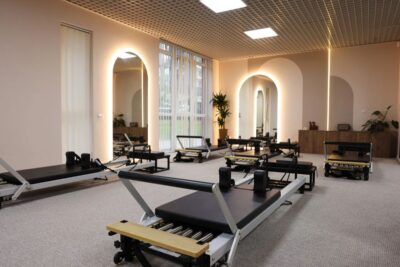
Designing an effective pilates intro package is one of the most critical growth levers for a boutique reformer studio, but it is also where many studio owners bleed revenue without realizing it.
If your studio runs on small-capacity reformer groups, every spot in represents high-value real estate. A full class of trial clients feels like a win, but if those prospects slip away without becoming recurring members, your intro pass becomes an expensive loss-leader.
Whether you are figuring out how to open a Pilates studio or refining an established studio’s offer, you need to stop viewing your trial pass as a standalone marketing promotion and start treating it as a capacity-management and scheduling strategy. Here is how to structure, price, and automate your introductory offer so that new clients naturally transition into long-term members.
The goal of your trial offer isn’t just to get someone to try one class; it’s to build a habit and integrate them into your studio community before the pass expires.
Avoid single-class drop-ins and month-long unlimited passes. A single class isn’t enough time for a beginner to get comfortable with reformer tension, terminology, or studio culture. On the flip side, an open-ended 30-day offer lacks urgency.
A structured offer of 2 to 3 classes valid over 14 to 21 days creates the ideal window:
For a small-group reformer studio, sending a first-timer straight into a fast-paced group class creates friction for both the client and the instructor. High-converting intro offers often include a brief 10-minute intake assessment, a pre-class orientation video, or a dedicated “Intro to Reformer” session. Getting posture notes and safety guidelines completed before their first workout ensures a smooth experience and protects the flow of your existing members.
It is tempting to offer a free class as part of your broader marketing strategies for your Pilates studio, but free offers attract price-shoppers rather than committed clients. Free trial takers have a significantly higher no-show rate, often exceeding 30%. In a studio with only 8 reformers, a no-show on a free trial seat means you turned away paying members for someone who had no financial skin in the game. Charging a modest upfront price screens for genuine intent.
Pricing your pilates intro package requires evaluating your real overhead and seat economics rather than copying the studio down the street.
Reformer Seat Economics
Monthly Fixed Costs: $12,000
Studio Capacity: 8 Reformers × 80 Classes/Month = 640 Max Spots
Break-Even Thresholds:
- 100% Fill Rate: $12,000 ÷ 640 spots = $18.75 / seat
- 70% Real Occupancy: $12,000 ÷ 448 filled spots = $26.78 / seat
⚠️ Core Strategy: Your intro offer price per class must exceed $26.78 to avoid losing money on trial seats.
Before setting a trial price, calculate your baseline break-even per seat:
For example, if your fixed costs (rent, instructor payroll, software, utilities) are $12,000 per month across 8 reformers running 80 classes monthly (640 total spots), your theoretical 100% break-even is $18.75 per spot. However, boutique studios average a 70% fill rate (448 filled spots). At realistic occupancy, your true cost per seat is $26.78.
If you sell a 3-class intro pack for $30 ($10 per class), you are losing over $16 on every single visit.
Most successful boutique reformer studios set their pilates intro package between $39 and $79 for 2 to 3 classes. This price point achieves three goals:
It covers your base cost per seat.
It establishes high perceived value for your reformer instruction.
It makes the transition to a monthly recurring membership ($200–$300+/month) feel proportional rather than a massive price jump.
The price point gets prospects through the door, but a structured follow-up sequence is what turns them into recurring members. As outlined in our Lead-to-Member Conversion Playbook for Pilates Studios, a healthy studio should achieve a 50% to 60% trial-to-member conversion rate.
| Touchpoint Timing | Channel | Primary Objective | Key Action / Workflow Trigger |
| Instant | Automated SMS | Instant lead response & booking link | Trigger: Lead form submitted |
| 2 Hours Pre-Class | SMS / Push | Prevent no-shows & clarify studio arrival info | Trigger: Class scheduled -2h |
| 1 Hour Post-Class 1 | Automated Email / SMS | Check in on experience & celebrate first step | Trigger: Class 1 attended |
| Day 3–5 | App Push / SMS | Prompt booking of 2nd reformer class | Trigger: Days inactive = 3 |
| Class 2 or 3 | In-Person / SMS | Present membership offer with limited-time perk | Staff outreach post-class |
Do not wait until the intro pass has completely expired to present membership options. Introduce your recurring tiers during or immediately after their second class, while momentum and physical post-class endorphins are highest. Offer a clear conversion incentive—such as waiving the signup fee or adding a bonus guest pass—if they enroll before their trial expires.
Conversion isn’t just digital; it happens on the studio floor. Train your front desk and instructors on two key operational rules:
Curtain Up (Arrival): Staff stand up, greet new clients by name, and have pre-filled intake notes ready.
Curtain Down (Post-Class): Instructors stay in the studio room for 30 seconds after the cool-down stretch instead of rushing out. Answering a quick question about spring tension builds immediate rapport and trust.
“I see Glofox as a holistic growth partner, not just a booking platform. We achieved 33% revenue growth in 12 months after streamlining our membership billing and app experience.”
— Joy Bitonio, Founder of KOMO Studio (Kailua, HI)
Most boutique reformer studios price their intro offer between $39 and $79 for a 2- to 3-class pack. Ensure the price covers your break-even cost per seat based on your studio’s realistic occupancy rate.
The optimal intro package includes 2 to 3 classes. A single class is rarely enough to form a habit or evaluate a studio, while 4+ classes dilutes urgency and delays the membership decision point.
Set a strict expiration window of 14 to 21 days from the date of the first booked class. Time-boxing the trial creates natural momentum and prevents pass holders from taking weeks between sessions.
A healthy boutique Pilates studio should target a 50% to 60% conversion rate from trial clients to recurring monthly members or long-term class packs. If your conversion rate drops below 30%, review your follow-up speed, pricing gaps, and post-class sales conversation.
Managing reformer class schedules, automated SMS follow-ups, strict late-cancellation policies, and recurring membership billing manually eats up hours every week. Utilizing specialized Pilates studio software allows you to automate your entire intro-to-member workflow—from instant lead capture to automated waitlists and custom-branded app bookings.
When evaluating management systems, studio owners often explore how Glofox fits into the broader fitness software ecosystem or why keeping operations simple and intuitive helps instructors focus on client experience over admin work.
Ready to protect your reformer capacity, automate your lead follow-up, and convert more trial clients into recurring members?