The bar is higher now. Members want in-person energy and community, plus the convenience of digital when life gets busy. They want training that supports longevity, recovery that helps them function, and a space they actually want to be in.
But for gym owners and studio operators, the job is not just chasing trends. It is to build an experience that drives retention, higher lifetime value, and strong unit economics. This article breaks down the studio concepts that are gaining traction in 2026 and explains how to choose the right one for your market and growth plan.
TL;DR
- Boutique fitness is rebounding fast, with strength, recovery, and hyper-specialized studios leading demand.
- Choose a studio type based on your target member, local gaps, and unit economics, not trends.
- Pilates, strength, HIIT, spin, boxing, yoga, recovery, and hybrid models all work when positioned clearly.
- Retention, revenue per square foot, and coach-to-member ratios matter more than hype.
- Hybrid memberships and recovery add-ons increase lifetime value without increasing rent.
- The winning formula: clear niche, strong onboarding, repeatable operations, and consistent KPI tracking.
What’s Inside
- 8 Types of Fitness Studios to Open in 2026
- 2026 Snapshot: Where Studio Demand Is Really Growing
- How to Choose the Right Fitness Studio Type for Your Market
- Top 8 Fitness Studio Types to Open in 2026
- #1: Pilates studios (Low-impact, high-demand modality)
- #2: Strength and functional training studios
- #3: HIIT and performance studios
- #4: Spin studios and indoor cycling
- #5: Boxing and combat fitness studios
- #6: Yoga and barre studios
- #7: Recovery and wellness studios
- #8: Hybrid fitness studios and hybrid membership models
- 5-Step Action Plan to Launch or Pivot in 2026
- FAQs
- Conclusion
2026 Snapshot: Where Studio Demand Is Really Growing
Boutique fitness took a hit in 2020-2021, but it is recovering fast. The market is forecasted to grow at a 9.6% CAGR from 2026 to 2035, and many studios run healthier margins, around 20%-30%, because they can charge premium rates without carrying the big-box gym costs.
But this recovery is also cultural. According to the ABC Fitness report, 57% of active consumers say social connection is the primary reason they join a gym. Smaller, specialized studios win here because community is built into the experience.
The top trends for boutique fitness in 2026 include:
#1: Strength Training
Muscle mass is finally being seen as the #1 factor in long-term disease prevention, and a symbol of health. Strength-focused fitness boutiques are surging, offering small-group training and a high-energy, premium feel.
#2: Recovery & Wellness
Sauna, cold plunge, and assisted stretching are no longer just add-ons. For many studios, they are the main reason people show up. Booking data for 2025 supports this, with wellness appointments like sauna sessions up by 27%, sports recovery by 29%, and stretching by 40%.
#3: Hyper-Specialization
Demand for generic fitness classes has dropped. Members want a Pilates studio for core strength, a Run Club for endurance, or a Strength Sanctuary for heavy lifting. This unbundling of fitness allows boutiques to charge premium prices because they deliver a superior, specialized product.
The top 10 workouts based on bookings around the world for 2025 were:
- Pilates
- Yoga
- Strength Training
- Cycling
- Barre
#3: Third Space feel
Boutique studios are leading social hubs. The data shows a massive spike in Gen Z and Millennials joining studios explicitly for community connection, for which they are willing to pay a premium price.
Read More: 2025 Fitness Trends: 5 Ways To Future-Proof Your Business
How to Choose the Right Fitness Studio Type for Your Market
Use this as a quick business plan before you commit to a studio concept.
Step 1: Pick 1 primary member type and what they are buying
Gen Z often buys experience and identity. Busy professionals buy time efficiency. Parents buy flexibility. Older adults buy safety, progress, and confidence.
This decision should shape your schedule, class length, coaching style, pricing, and even the look and feel of the space.
Check Out: How to Find Your Niche as a Personal Trainer
Step 2: List your top 5 local competitors, their price point, and the one outcome they lead with.
Check what people are searching for in your area, what is fully booked, and what gets repeated in reviews. Look for signals such as waitlists, packed prime-time slots, and consistent feedback that point to a clear outcome.
A crowded market is not always bad, but you need a sharper angle than just great workouts.
Step 3: Choose your positioning lane, such as premium boutique, accessible community studio, or hybrid.
Premium is smaller classes and higher margins. Community is volume and retention. Hybrid is the flexibility play, and it only works when the digital piece is built into the membership, not treated like an add-on no one uses.
Free Resource: How to Prep Your Gym or Fitness Studio for Growth in 2026
Top 8 Fitness Studio Types to Open in 2026
#1: Pilates studios (Low-impact, high-demand modality)
If you want premium pricing with a clear outcome, Pilates is still at the top of the list.
The promise is simple: strength, posture, and results with lower joint stress. That attracts higher-income women, injury-conscious clients, postpartum moms, and desk workers who want a low-impact workout.
Focus on reformer Pilates or Megaformer, and decide early whether you are positioning it more clinically or athletically. Your business is only as strong as your instructors, so hiring and training standards matter more than marketing.
Check Out: 12 Pilates Studio Marketing Strategies to Grow Members in 2026
The Easiest Way to Run and Grow a Pilates Studio: ABC Glofox x Your Reformer
#2: Strength and functional training studios
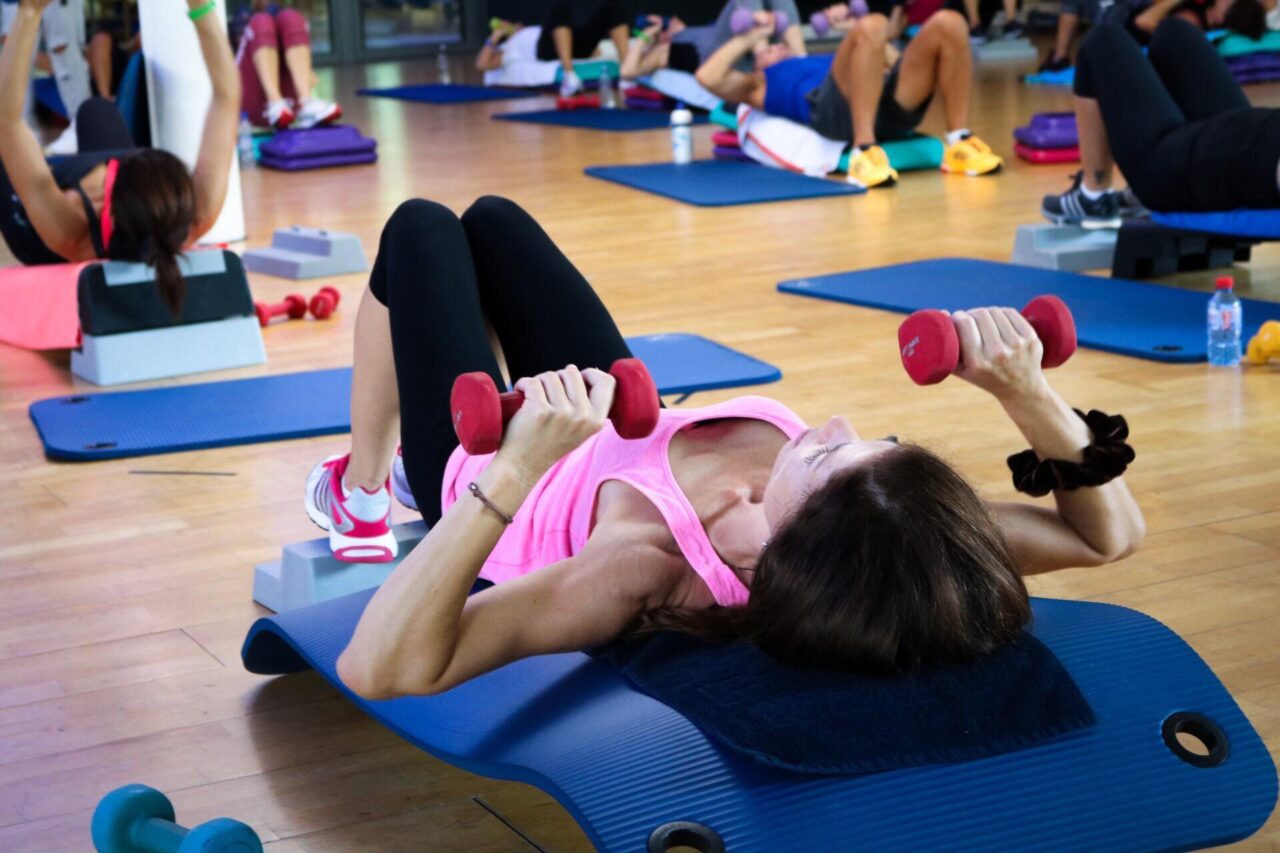
Strength is becoming the default modality for longevity, confidence, and body composition, which makes this one of the cleanest studio models to build around.
The strongest concepts are small-group strength with clear progression, great coaching, and a repeatable weekly structure.
Focus on barbell and dumbbell fundamentals, functional training, and Hyrox or Metcon-style conditioning, but keep the identity tight. Members should know exactly what the studio helps them become.
Best for Gen Z and millennials, athletes, and anyone who wants results without the chaos of open gym. Hybrid options work well here, especially strength plus conditioning or strength plus mobility.
#3: HIIT and performance studios
HIIT still sells because it is time-efficient and outcome-driven, making it perfect for the schedules of most active people today. Your members understand what they’re buying: sweat, intensity, and visible change in mood in about 30 to 40 minutes.
In this model, the coach is central to delivering the best experience for your members.
Focus on interval training, metabolic conditioning, and express sessions built for busy professionals. If you go after weight loss and recomposition, you need a clear onboarding plan and a progression path so members do not burn out after the first month.
Check Out: How to Start and Run a HIIT Gym: From First Idea to Full Classes
#4: Spin studios and indoor cycling
Spin studios are one of the clearest plays when you want density and predictability. Bikes take relatively little space, so you can run high-capacity classes and drive strong revenue per square foot when your schedule is full.
It also fits the small-group trend since members get coaching, energy, and community without paying personal training rates.
What sells here is the experience. Spin works because it feels like an event, not a workout. Music, lighting, themed rides, performance metrics, and leaderboards keep members engaged.
The trade-off is cost. A premium setup can get expensive fast, from bikes to sound and lighting to screens or performance tech. The model only works if you treat it like a product with a clear member journey, not just a room full of bikes.
Onboarding is the make-or-break. New riders can feel lost in the first five minutes. You need structured intro sessions, staff support for setup, and instructors who make people feel included, not tested.
Retention comes from progression and identity: goals members can hit, milestones you celebrate, familiar instructors, and a culture that turns drop-ins into regulars.
#5: Boxing and combat fitness studios
The martial arts industry in the US has been growing at an average annual rate of 11.7% since 2021, driven in part by the rise of UFC and renewed interest in boxing, Muay Thai, wrestling, and grappling.
The Customer
Engagement Playbook
for Your Fitness
Business
Discover more There is strong momentum, especially among teenagers, college athletes, and adults looking for something more purpose-driven than a generic workout.
You can take this category in different directions.
On one end, you have competition-based, coach-led gyms focused on skill and progression. On the other hand, more commercial boxing and kickboxing concepts are built around conditioning and group classes.
Both can work, but both require serious coaching quality. In this model, the coach is the make-or-break element. Strong technical instruction and good programming that reduces injury risk are non-negotiable.
The same goes for the equipment, flooring, and other elements of the space. You might not need tons of equipment, but quality matters a lot here.
Boxing and MMA studios have strong retention rates because members invest emotionally. Once someone identifies as a fighter, they are less likely to quit casually. That identity, combined with visible skill progression and tight community, can make this one of the stickiest studio models when done right.
Check Out: How to Open an MMA Gym in 2026
#6: Yoga and Barre studios
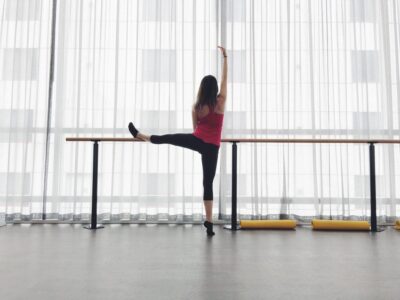
The global yoga market is expanding quickly and is expected to nearly double in size between 2025 and 2032. That growth reflects a bigger shift happening across fitness. The line between fitness and wellness is blurring, and yoga and barre sit right in the middle of that mind-body integration.
On one hand, members are burned out. They are not showing up to be crushed. They want to down-regulate, breathe, move well, and leave feeling better than when they walked in. And yoga and barre fit perfectly.
On the other hand, do not ignore the integration of strength. Functional yoga, yoga sculpt, and strength-infused barre are gaining traction because members want joint health and muscle tone. Longevity plus aesthetics is a powerful promise.
If you want to niche down within this category, consider:
- Menopause yoga for 45+ women, integrating cooling breathwork and bone density support
- Men’s mobility framed as injury-proofing for lifters
- High-ticket small groups for seniors focused on balance and fall prevention
You do not need to brand the entire studio around one niche. But having clear programming lanes gives your marketing and community something specific to rally around.
Check Out: How to Open a Barre Studio in 2026
#7: Recovery and wellness studios
The lines between fitness and wellness are also blurring because members are more value-conscious and expect more comprehensive, holistic offerings from studios. That is where recovery-first concepts come in. Think of them as wellness studios 2.0, but with a clear promise: performance recovery and lifestyle longevity.
A recovery studio is built around physical restoration after training, solving two problems in the industry:
- For the Member: It provides social recovery. Instead of going to a bar, friends meet for contrast therapy, such as a sauna or a cold plunge.
- For the Owner: It is both high-profit and low-labor. Unlike a class that needs a coach, a sauna or compression boot generates revenue without active staffing.
The goal is to help members recover faster, reduce soreness, and stay consistent in the long term. This typically attracts active adults, athletes, and lifters who already train hard and want to protect their bodies so they can keep progressing.
Typical services include:
- Contrast Therapy: Large communal saunas, cold plunges.
- Compression & PEMF: Lounge areas for passive circulation work.
- Red Light Therapy: For skin and cellular repair.
- Assisted Stretching: The only high-labor component, usually an upsell.
Check Out: The Complete Guide to Starting a Wellness Business
#8: Hybrid fitness studios and hybrid membership models
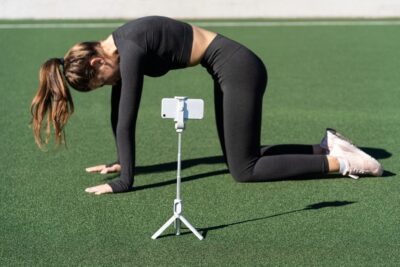
A hybrid studio is whatever your studio already offers, extended digitally. The idea is simple: your members do not only engage with you inside your four walls. They can access on-demand content, livestream classes, and structured programs through a branded app.
This turns a physical studio into a membership ecosystem.
For example, a yoga studio might offer in-person classes as the premium tier, livestream access as a mid-tier option, and on-demand breathwork or mobility sessions as a lower-priced digital tier. A strength studio could pair small-group lifting with at-home accessory programs and recovery sessions between visits.
What these hybrid memberships do is increase the share of wallet without increasing rent. They also protect you against seasonality and travel churn.
But it needs planning and good partners. The digital offer cannot feel like an afterthought. It needs to be structured, programmed, and clearly positioned within the member journey, not just bonus content no one uses.
The hybrid model works best for dense urban areas, corporate professionals who travel, seasonal markets, and multi-location brands that want scale without adding square footage.
Read More: 13 Fitness Business Ideas for 2026
5-Step Action Plan to Launch or Pivot in 2026
Step 1: Audit Your Current Fitness Studio, Market, and Member Data
Before you redesign anything, audit what you already have. Look at your capital, square footage, class utilization by time slot, retention rate, and your top 20% of members.
Then zoom out and study your local market. Look at what your city already has plenty of and where there are clear gaps or underserved niches.
Step 2: Choose 1 Primary Studio Type and 1–2 Supporting Modalities
Put simply, if you want premium pricing and smaller classes, lean toward Pilates, yoga, Barre, or Recovery. If you want volume and scalability, strength, HIIT, or Spin, it makes more sense. If you want community-led identity brands, yoga, boxing, or barre are strong lanes to pursue. Choose one primary anchor and layer 1-2 supporting modalities that reinforce it, not compete with it.
Step 3: Model Your Unit Economics and Capacity Targets
Run the numbers before you build the vibe.
- What is your class cap?
- What is your average price point?
- How many sessions per day do you need to break even?
Calculate revenue per square foot and revenue per hour. You need to know these numbers.
Step 4: Build a 90-Day Launch Campaign Around Your Chosen Concept
Use social media, influencers, and brand partnerships to the fullest. Start building hype and anticipation. Share your promise, create an early adopter offer, and design a structured first 30 days for new members. Your marketing should speak to the identity shift, not just the workout format.
Step 5: Track KPIs Monthly and Iterate Your Programming
Once you launch or pivot, track retention percentage, class-level utilization, revenue per member, and churn by cohort. By watching what people repeat, you can easily cut what underperforms.
Read More: How to Start a Boutique Fitness Studio: The Complete Checklist
FAQs
How to make your gym stand out in 2026?
In 2026, differentiation comes down to frictionless experience and radical identity. Brand the outcome, not the tool. Build a high-touch first 30 days so members stick. And design the space to be worth sharing, because aesthetics drive free marketing.
How to start a small gym in 2026?
Start with low overhead and a high-margin model. Small group personal training is one of the strongest plays because it feels premium without 1-on-1 pricing. Validate demand by subleasing hours before signing a big lease, and run tech-first from day one, so you are not hiring staff to cover admin.
How to expand your fitness studio in 2026?
Expansion is not only about more locations. It is more of an ecosystem. Add hybrid memberships so members pay for support on days they do not come in. If you want to scale beyond a single site, consider licensing your brand and operating system rather than going straight to franchising.
Conclusion
Strength, recovery, Pilates, yoga, combat, hybrid ecosystems. All of them work. None of them works without clarity. The real advantage comes from aligning three things: your studio type, your target member, and the experience you deliver every week. When those three match, retention improves, margins stabilize, and growth becomes predictable.
The operators who win are not the ones who try to offer everything. They pick a lane, execute it well, and build systems that support scale instead of chaos. If you are planning to launch or pivot, ABC Glofox can become your partner. Book a demo to learn more!