
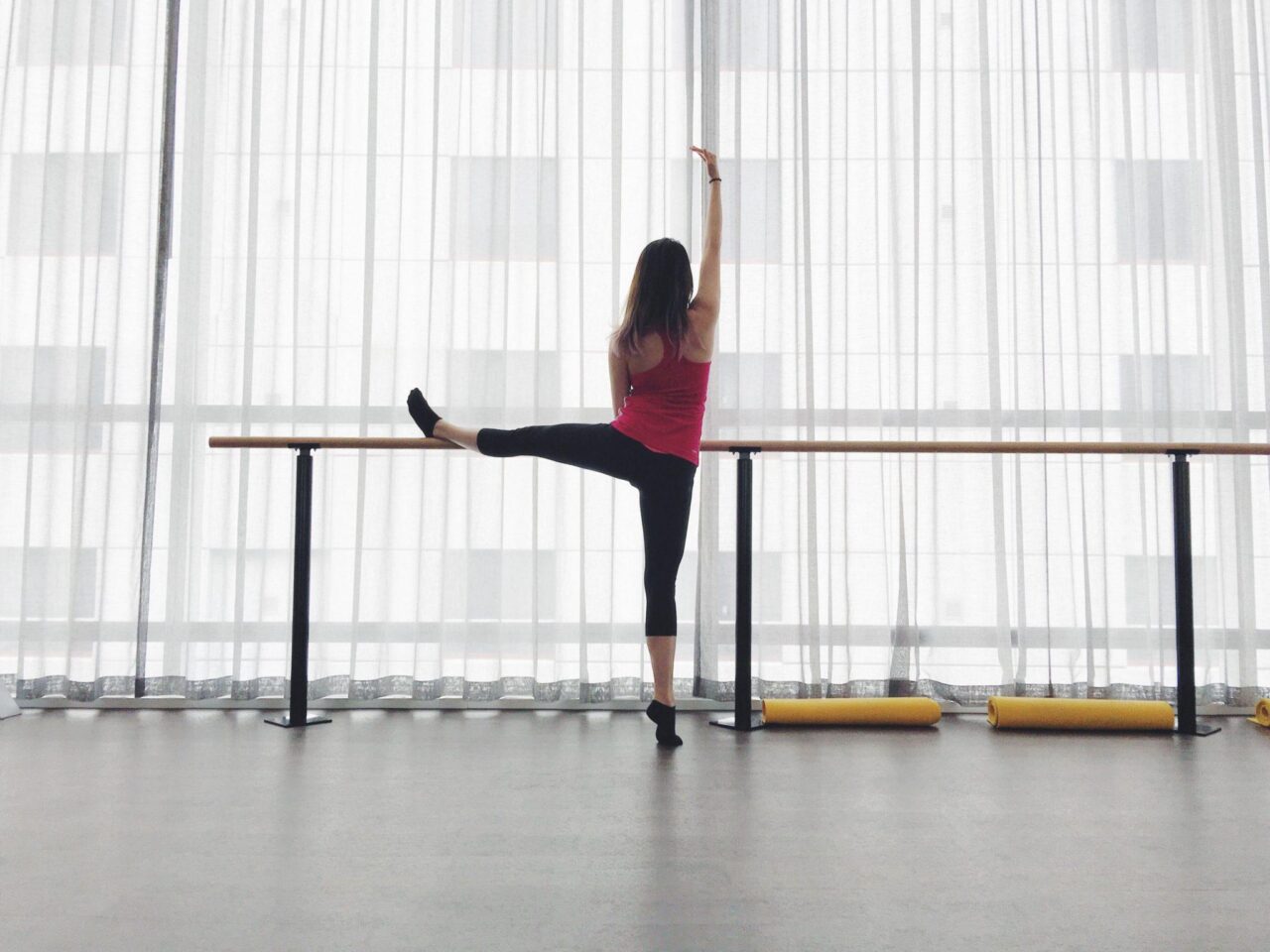
Barre is growing beyond the 25–35-year-old women demographic. Demand is expanding across age groups and training goals, driven by people who want low-impact strength, better posture, and sustainable progression.
If you are a certified barre instructor or coach considering opening a studio, 2026 is a smart time to explore it. The global market was valued at USD 1.44 billion in 2025 and is projected to reach USD 2.97 billion by 2033.
In this guide, we break down what it actually takes to open a barre studio, from choosing the right business model to setting up operations, systems, and a sustainable launch.
TL;DR
- Barre demand is expanding beyond the 25–35 demographic, powered by low-impact strength and longevity goals.
- Pick your path early: add barre to an existing business, open independently, or buy a franchise, because each changes risk, control, and upside.
- Win locally by defining who you serve, what your barre style is, and why someone chooses you over Pilates, yoga, or another fitness boutique studio.
- Profit comes from stacking services, not only group classes, using memberships plus privates, workshops, and online options.
- A polished studio experience needs strong instructors, a premium space, and systems that handle bookings, cancellations, and member management without manual work.
Table of Contents
- Step 1: Decide What Kind of Barre Business You Want
- Step 2: Plan How You’ll Open Your Barre Studio
- Step 3: Shape Your Brand and Class Experience
- Step 4: Hire and Train Great Barre Instructors
- Step 5: Choose Your Location and Set Up the Studio
- Step 6: Sort Out Legal, Money, and Insurance Basics
- Step 7: Set Up Your Systems and Software
- Step 8: Build Interest Before You Open
- Step 9: Open Your Doors
- Barre Studio 180-Day Launch Checklist
- What’s Next
Step 1: Decide What Kind of Barre Business You Want
Before you look at leases, equipment, or logos, let’s discuss some routes you can take. This choice sets your risk level and your earnings.
#1: Add barre to your current PT or studio
This is the lowest-risk path. If you already coach people or run a schedule, Barre can be an “add-on” service that expands your member base without a full build-out.
It also fits demand drivers such as low-impact training, rehab-friendly movement, and cross-training, making it easier to introduce to people who are not classic barre customers.
#2: Open a brand-new barre studio
This is the full founder route. You get complete control over the brand, class experience, and community positioning. The tradeoff is a higher upfront cost and more operational complexity, especially when hiring instructors and building a consistent timetable from day one.
But on the plus side, since you’re building independently, you keep more profit because there are no royalty fees.
#3: Own a barre franchise
If you want support, a franchise reduces marketing risk and gives you a proven playbook. Here is a founder-friendly way to compare common models:
- Pure Barre: Best if you want brand recognition and a proven operator model where you manage staff more than you teach.
- barre3: Community-first and modification-friendly. Best if you want a brand that leans into wellness and inclusivity.
Pro tip: Set clear personal and income goals for your new barre business
Your revenue will not come from group classes alone. Most studios build profitability by stacking multiple service types, such as:
- Group classes
- Private sessions
- Online classes
- Workshops and short programs
If you want a higher income ceiling, plan these early and design hybrid memberships that support them (for example, hybrid access, add-on packs, or premium tiers).
Your owner role matters too. If you plan to be the lead instructor long-term, you will save on payroll and keep quality high, but it can limit expansion, reduce time for admin and partnerships, and make the business harder to scale beyond you.
Step 2: Plan How You’ll Open Your Barre Studio
#1: Check the local market and other studios
Look at what already exists within a 10–15 minute travel radius.
Note class prices, schedules, peak times, and who they appear to serve. You are not trying to copy them. You are looking for gaps, such as underserved age groups, time slots, or styles.
For example, if Pilates, yoga, and other boutique studios are active in your area, that is usually a good sign people are willing to pay for class-based fitness, which means barre can work too.
Just do not assume “a lot of studios” equals “a healthy market.” Check whether they are actually busy by looking for signals like packed timetables, consistent class frequency, and waitlists at peak times.
#2: Decide who you want in your classes
Your studio does not need to serve everyone. In fact, it should not. Decide early if you are building for beginners, active adults, prenatal and postnatal members, older populations, or cross-training athletes. This choice affects class design, pacing, instructor cues, and even music.
#3: Choose your barre style and focus
As you well know, Barre is a category, not a single product. Decide whether your classes lean more athletic, restorative, rehab-friendly, or wellness-based. Many successful studios win by being clear, not broad.
#4: Write down what makes your studio different
This does not need marketing language. One or two sentences are enough. Why would someone choose your barre studio over the one down the street, or over Pilates, yoga, or strength training? This clarity will guide branding, pricing, hiring, and marketing later on.
You Need This: Free Fitness Business Plan Template
Step 3: Shape Your Brand and Class Experience
Choose a studio name and look that fits your style, vision, and market signals, and you’re well on your way to shaping your brand.
Your name and visual identity should match how your classes feel and who they are for. A studio focused on active aging, rehab, or prenatal barre should signal safety and clarity. A more athletic studio can lean into strength and progression.
Whatever direction you choose, your branding should stay consistent across your studio, website, and booking experience.
Beyond the basics, here’s where you should focus more of your effort:
#1: Create 2–3 simple signature class formats
Barre studios grow faster when classes are easy to understand and repeat. Two or three core formats are enough.
Think of your classes as your product. The programming, the instructor standard, and how the experience feels in your space are what build community and generate word-of-mouth. If you design that intentionally, your studio starts to market itself.
#2: Decide on hybrid memberships, packs, trials, and intro offers
Group classes are the base, but they are rarely the whole business. Most barre studios end up needing a few clean options that members can grow into: a membership for consistency, then add-ons like private sessions, workshops, or online access when someone wants more support.
This is also where having a system matters. When your offerings all live in one place, it becomes much easier to sell them as part of a single membership or tiers.
The practical part is keeping this flexible without creating admin. If upgrading or downgrading a plan means canceling and re-enrolling, you will feel it fast. Your membership system should let you move someone between tiers or add a pack without making it a manual workaround.
#3: Set clear rules for bookings, cancellations, and waitlists
Policies protect your schedule and your revenue, but only if they run the same way every time. Late cancellations, waitlists, and class caps should not depend on you chasing messages or making exceptions on the fly.
One simple way studios handle this now is by offering members everything on their phones.
Bookings, waitlists, and reminders live in a studio app that feels on-brand, and the rules are enforced in the background through your member management system. That keeps the experience consistent for members and keeps your timetable predictable for instructors.
Read More: How to Manage Gym Memberships Like a Pro: Tools, Tips, and Time-Saving Strategies
Step 4: Hire and Train Great Barre Instructors
Instructor quality is one of the biggest constraints in barre. There is a real shortage of certified barre instructors, especially outside major urban hubs. How you hire and train will directly affect your schedule and how fast you can grow.
Most studios recruit from nearby Pilates, yoga, dance, or strength backgrounds, then train them in Barre. This widens your talent pool and helps solve the certification gap.
#1: Decide what a great instructor means for your studio
Before you post a job, get specific. A great instructor is not just technically strong. They need to cue clearly, modify movements safely, and work confidently with mixed abilities. If your studio leans into rehab, prenatal, or active aging, this matters even more. At this stage, you filter for speciality, expertise, and credibility.
#2: Plan how you’ll find and audition instructors
Auditions can also include teaching a short class, not just a movement demo, so keep that in mind. In addition to revising their resume, you can ask for their cueing language, pacing, and safety rules. Also, a conversation will show if it fits your style, vision, and community.
#3: Use practice teaching and feedback before assigning full schedules
New instructors should teach practice classes before taking regular slots. Feedback loops protect class quality and help instructors improve quickly.
#4: Go beyond barre instructors
Barre’s low-impact structure makes it a strong fit for:
- Rehabilitation and recovery programs, often in partnership with physios or clinics
- Dance training crossover, especially for studios near schools or performance communities
- Pre- and postnatal fitness, where safety and modification are essential
- Sports conditioning, where barre supports strength, balance, and control
Especially if you handle the barre sessions yourself, the above might be a nice add-on to consider, too.
Check Out: How ABC Glofox Keeps Your Fitness Staff Motivated
Step 5: Choose Your Location and Set Up the Studio
In boutique fitness, you are selling an atmosphere, too. The wrong location or a cheap build-out will make it hard to compete, even if your classes are great.
#1: Pick a location that supports repeat attendance
Prioritize convenience over a cool stop in town. Easy access, parking, walkability, and proximity to complementary businesses, such as wellness centers, cafés, and offices, usually matter more than a trendy street.
#2: Size the studio for utilization, not ego
Barre can run profitably in a smaller footprint if your schedule is tight and your classes are full. Overbuilding increases rent and slows your path to profitability.
#3: Layout, mirrors, and flow
Mirrors and barres are not optional. They are part of the product. You need clean sight lines, safe spacing, and a layout that makes check-in and class transitions smooth (and why not, Instagrammable).
#4: Acoustics and lighting matter more than most founders expect
If your sound system is tinny or your lighting feels like office fluorescent lighting, you will lose to the premium competitor down the street. This is one of the easiest ways to signal quality without saying a word.
Read More: The Economics of Owning a Gym in 2021
Step 6: Sort Out Legal, Money, and Insurance Basics
This step is about making the business real on paper. If you are opening independently, you need to register the studio, set up a business bank account, confirm local permits, sort music licensing, and get the right insurance.
Then list your startup costs and monthly fixed costs to determine your break-even point, and choose how you will fund the build-out.
If you are buying a franchise, here are the steps:
- Start by requesting the franchise information
- Review the Franchise Disclosure Document (FDD)
- Confirm the financial requirements
- Speak to existing franchisees
- Secure funding based on the franchisor’s criteria
From there, you sign the agreement, pay the franchise fee, follow their build-out and training requirements, and meet all compliance and insurance standards for both the business and the franchise system.
Step 7: Set Up Your Systems and Software
No matter what kind of fitness business you’d open in 2026, you have competition from day one, and it’s not just your direct or local competitor.
It’s the fitness apps, YouTube barre workouts, and influencers teaching barre at home. On top of that, you are competing with Pilates, strength studios, yoga, and boutiques, all fighting for the same time slots in someone’s busy week.
That means your studio needs a strong in-person experience and a digital experience that feels like an extension of it. Not a random link in bio or a messy desktop booking process.
A strong software setup does not replace your coaching. It protects it. It helps you deliver a premium experience, run a tighter operation, and compete in a world where “at-home barre” is always one tap away.
#1: Run the business: The basics you need from day one
- Branded member app so members can book, pay, and manage their plan on their phone, not through a messy link chain
- Memberships, packs, and drop-ins set up properly, including trials, add-ons, and upgrades, without manual workarounds
- Automated waitlists and clear class capacity, so spots do not sit empty and you are not chasing messages
- Integrated payments with recurring billing, smart retries, and simple checkout options like Apple Pay and Google Pay
- Digital waivers and policy prompts at purchase or check-in, so you stay consistent and covered
#2: Grow the business: The stuff that helps you fill classes
- Lead capture that does not break: web and social leads flow into your system, not a spreadsheet
- Two-way SMS so you can respond fast and keep conversations organized
- Automated journeys for trials and new members so follow-up happens even when you are teaching back-to-back
- Simple email campaigns and segmentation for launch promos, workshops, and member updates
#3: Protect the business: The features that stop the quiet revenue leaks
- No-show fees and late-cancel rules applied automatically, the same way every time.
- Payment recovery and retries are built into billing, so missed payments do not become an awkward weekly task
- Staff app and task management so follow-ups, freezes, cancellations, and admin do not get lost when things get busy
- Reporting that shows class utilization, revenue, retention, and early churn signals, so you can fix problems before they become “we had a rough month.”
This is where ABC Glofox fits naturally. It gives you a branded app experience and a clean way for members to book, pay, and manage their memberships with minimal friction. Download our free resource on the steps to opening a gym or fitness studio.
Step 8: Build Interest Before You Open
You are not just launching a timetable. You are building a place people choose to belong to.
So while you’re browsing for your mirrors, you can build the culture. This will come easily if you are an instructor or have studio experience. But now it’s time to share your initiative with the world and start looking for support.
#1: Create a community
You can even create a small gated community (WhatsApp, Discord, or your branded app) around a niche that fits barre, but is bigger than barre. Examples:
- The Longevity Lab (strength, posture, joint health)
- Functional Strength for 40+
- Low-Impact Athleticism (for runners, desk workers, and recovery-minded members)
Start by sharing:
- Short, practical notes on strength and mobility
- Simple at-home “barre-style” finishers
- Monthly “office hours” on form, pain points, and progress
- Member threads where people post goals and wins
#2: Plan your launch campaign
- Use pop-ups to turn interest into proof: Run small community classes in borrowed spaces. Keep them simple: one format, clear theme, one next step. Pop-ups give you testimonials, referrals, and your first core regulars.
- Create a founding member offer that people feel proud to join: Make it about identity, not discounts. Founding members get early access, a clear start date, and a defined perk (price lock, private sessions, priority booking). Keep spots limited.
- Build an email list you can actually activate: Social helps discovery, but an email list can drive more bookings. Collect emails and phone numbers from every pop-up, community signup, and inquiry so you can fill your first month of classes fast.
- Make it easy to commit before opening week: The biggest leak is friction. If someone is ready to join and cannot book and pay in two minutes, they will choose the easier option.
Check Out: 10 Fitness Studio Marketing Ideas to Win Your First 100 Members
Step 9: Open Your Doors
Treat the first few days as a live test. Limited classes, friendly faces, and space to adjust. Watch how people move through the studio, where questions come up, and which classes fill fastest.
Your job is to guide new members through a clear path: first class, second booking, first habit. Make the experience feel premium and human by remembering names. Explain the format and normalize modifications. Barre attracts people who care about safety and progress, not intensity for its own sake.
Overall, the less time you spend managing check-ins, payments, and waitlists, the more present you can be on the floor. This is where ABC Glofox supports the experience quietly in the background, so opening week feels calm, not chaotic.
Barre Studio 180-Day Launch Checklist
90 days before opening
- Finalize your business model (independent or franchise)
- Lock your location and confirm the build-out scope
- Define class formats, pricing, and intro offers
- Start hiring or shortlisting instructors
- Set up your core systems (booking, payments, memberships)
30 days before opening
- Publish your schedule and open pre-sales
- Launch your founding member offer
- Train instructors on class formats and studio standards
- Test bookings, payments, and cancellations end-to-end
- Begin consistent local communication (email, community, partners)
Week of opening
- Run soft opening classes
- Check class flow, timing, and transitions
- Gather live feedback and fix friction points
- Confirm staff schedules and payroll basics
First 90 days after opening
- Track class fill rates and early churn
- Focus on the second and third visits for new members
- Introduce workshops or private sessions
- Refine pricing and scheduling based on demand
- Document what works so growth is repeatable
What’s Next
A barre studio succeeds when you design it as a business system, not just a collection of classes. Classes matter, but they only work if pricing, capacity, scheduling, staffing, and retention are planned first.
The market projections are positive, but success comes from clear positioning, a strong community, and systems that support you early.
Start with a focused model, build culture before opening day, and design your services so revenue is not tied to one class type. When you are ready to launch your barre studio, our team at ABC Glofox will help you deliver a premium experience, compete in a digital-first market, and grow without adding complexity.