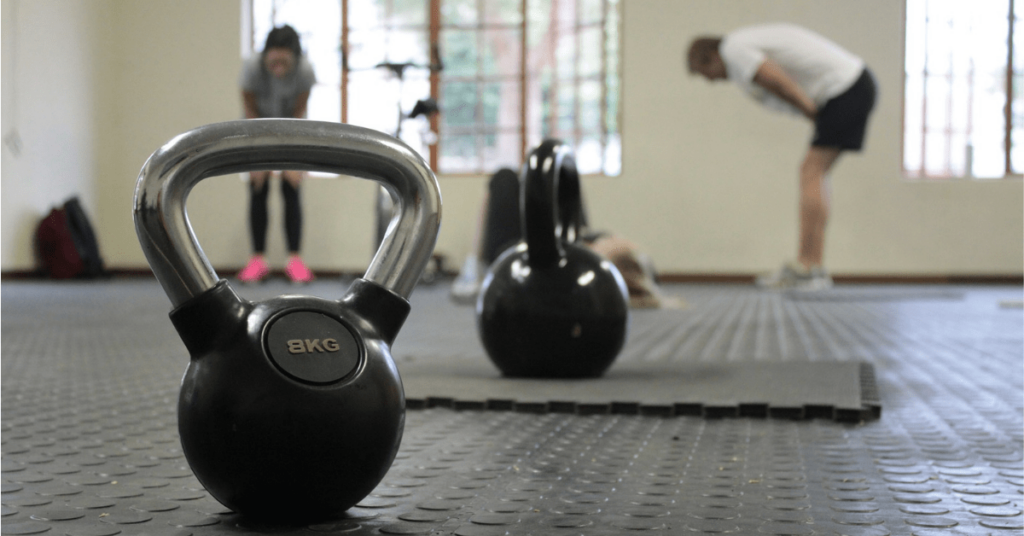
In 2025, global gym memberships grew by 6% and total revenue jumped by 8%, proving that fitness has officially evolved from a hobby into an essential part of people’s lives.
While the previous year was defined by a massive return to strength training and social fitness, 2026 is shaping up to be the year of intelligent health. Studios, gyms, and personal trainers are increasingly operating as platforms, combining in-person services, digital experiences, automation, and recurring revenue models.
This guide breaks down 20 future-proof fitness business ideas that can be launched as extensions of an existing gym, studio, or PT business and are backed by industry trend data.
Why 2026 Is a Breakthrough Year for Fitness Entrepreneurs & Investors
Before we get into the business ideas, its important to discuss a few important shifts, trends, or factors that impact fitness today. The opportunity in 2026 differs from previous years because the market has bifurcated into high-tech scalability and high-touch medical specialization.
Here is why this specific year offers a unique window for investment and business creation:
1. Fitness Is Moving Into Healthcare
GLP-1 weight loss medications have created a large group of people who need strength training to preserve muscle and metabolic health. This positions gyms and studios as essential partners, not optional extras. In the USA only, nearly 12% of adults have used GLP-1 drugs for weight loss or other conditions, and that number is expected to skyrocket in the next few years.
2. The Silver Economy Is a Core Growth Market
“Fitness programs for older adults” ranks as the #2 global fitness trend for 2026. Older clients prioritize safety, expertise, and consistency, and they have higher spending power than younger demographics. Programs focused on strength, balance, and independence are seeing strong demand and lower churn.
3. Wearables Now Drive Coaching, Not Just Tracking
Wearable technology remains a trend year after year, but its application and integration have reached a higher maturity, mainly due to AI. AI-powered platforms now turn wearable data into automated training decisions, allowing coaches and studios to manage more members with personalized programming and far better scalability than traditional 1-on-1 models.
4. Community Has Become a Revenue Advantage
Run club participation has grown by 59%, and demand is rising for fitness spaces that double as social hubs. Studios that build structured communities through events, challenges, and group experiences are seeing higher retention and lower acquisition costs than those selling access alone.
Fitness Business Models That Work in 2026
#1 Hybrid Fitness Studios (In-Person + Digital Memberships)
Hybrid is no longer experimental. It’s now a baseline expectation. Industry reports from ABC Fitness show that members who engage with both in-person and digital touchpoints train more consistently and stay longer.
Watch: What 2025 Taught Us: Building Smarter, Stronger Fitness Businesses
In a nutshell, hybrid fitness studios combine physical training with a structured digital layer that keeps members engaged outside the facility. They typically include:
- App-based access to programs and class schedules
- On-demand workouts and session replays
- Messaging and in-app communication with coaches
- Digital challenges and accountability features
- Habit tracking for movement, recovery, or lifestyle behaviors
For operators, this model increases retention and lifetime value without adding more classes or floor space.
- Revenue Model: Recurring monthly “All-Access” memberships priced at a premium over standard gym-only access, plus lower-tier digital-only subscriptions for remote members.
- Client Acquisition: Leverage social media challenges to drive traffic to a free digital trial landing page, nurturing leads who aren’t ready to visit in person yet.
- Tech/Software Integration: A custom-branded member app is essential to house your on-demand content library behind a paywall while seamlessly managing in-studio class bookings and automated renewal reminders in one unified system.
Check Out: Everything You Need to Know About Running a Hybrid Fitness Business
#2 Wearable-Integrated Coaching Programs
Wearable-integrated coaching is a data-driven training business where client wearable data is used to actively guide workouts, recovery, and coaching decisions.
It can be sold as a premium coaching tier, a standalone “smart training” program, or as an add-on to hybrid memberships for studios and multi-location gyms.
How wearable-integrated coaching works:
- Clients wear a smartwatch or fitness tracker
- Training intensity adapts based on heart rate and recovery data
- Load and volume adjust when poor sleep or fatigue is detected
- Recovery or mobility sessions are triggered when readiness drops
- Coaches manage larger groups while keeping training personalized
This model allows studios and trainers to scale coaching capacity while delivering a data-driven, premium experience that members trust.
- Revenue Model: Premium monthly coaching packages or smart-training add-ons priced above standard memberships.
- Client Acquisition: Market smarter, safer training using clear performance and recovery outcomes.
- Tech/Software Integration: Wearable data syncs into the member profile, triggering automated adjustments and check-ins.
#4 Community-First Fitness Brands
This business model is built around community and experiences, not facilities.
Instead of selling memberships, community-first fitness brands organize recurring run clubs, outdoor meetups, fitness events, pop-ups, and social challenges that give people a reason to show up together. The fitness is the anchor, but the real value is belonging.
This trend exists because people are actively seeking “third places” outside of work and home. Fitness events, group runs, and social movement clubs have become modern gathering spaces, especially in cities where traditional gyms feel transactional.
Typical formats include:
- Weekly or monthly run clubs or movement meetups
- One-off fitness events or branded pop-ups
- Seasonal challenges with in-person touchpoints
- Partnerships with cafés, wellness brands, or local sponsors
These businesses often start lean, grow fast through word of mouth, and monetize through events, sponsorships, premium access, and brand collaborations rather than long-term contracts.
- Revenue Model: A mix of tiered community memberships for exclusive perks, paid ticket drops for special events, and high-margin branded merchandise sales.
- Client Acquisition: Rely on “bring a friend” viral loops and user-generated content on Instagram/TikTok to turn every event into a live marketing opportunity.
- Tech/Software Integration: Robust event management tools to handle ticketing and waivers instantly, plus community groups within your app to keep the conversation and engagement going between meetups.
#5 Recovery & Wellness-Focused Studios
Recovery studios are standalone spaces dedicated to downregulation, restoration, and nervous system health.
This model has emerged as people train harder, live more stressed lives, and actively seek recovery as a service, not an afterthought. Cold exposure, heat therapy, guided mobility, breathwork, and assisted stretching have moved into the mainstream wellness spend category.
Unlike traditional gyms, recovery studios attract a broader audience:
- Active gym-goers
- Runners and endurance athletes
- Busy professionals
- Older adults focused on longevity
Common offerings include:
- Cold plunge and contrast therapy sessions
- Infrared sauna or heat exposure
- Guided mobility or breathwork classes
- Recovery memberships or session packs
Recovery studios work because they are simple to understand, easy to price at a premium, and not dependent on complex programming or class schedules.
- Revenue Model: Credit-based session packs for flexibility or unlimited recurring memberships for high-utilization users, often priced higher than standard gym dues.
- Client Acquisition: Partner with local high-intensity gyms and run clubs to offer recovery Sundays as a lead magnet for their members.
- Tech/Software Integration: With automated booking and access control, you can run recovery sessions with little or no staff. Members can book specific stations, like saunas or cold plunges, through the app and access them without front-desk involvement.
Check Out: Gym Class Scheduling Templates: A Library for Multi-Location Operators
#6 Pilates Studios (Reformer-Led, Small Group)
Pilates is currently one of the fastest-growing fitness disciplines globally, driven by demand for low-impact, strength-based training that supports longevity, posture, and injury prevention.
What makes Pilates especially attractive as a business is its clear positioning and strong appeal across demographics, from younger professionals to older adults and post-rehab members.
Some things to keep in mind:
- Pilates requires higher initial capital than mat-based studios due to reformer equipment
- Small class sizes support premium pricing and consistent margins
- Instructor quality and certification are critical to retention
Pilates studios succeed because they sell outcomes people understand: strength without strain, better movement, and long-term physical resilience. As demand continues to rise, well-run Pilates studios are seeing waitlists, high utilization, and strong member loyalty.
- Revenue Model: Premium class-pack or recurring membership model that commands higher price points due to small group sizes and specialized equipment.
- Client Acquisition: Targeted local ads work very well here, especially if you focus on “low impact, high results” combined with intro offers like “3 Classes for $50” to lower the barrier to entry. A vibrant community and vibe check are essential for new Pilates studios.
- Tech/Software Integration: Smart waitlist management with automated “spot available” notifications is vital to maximize class capacity and revenue per hour in limited-space studios.
Check Out: 12 Pilates Studio Marketing Strategies to Grow Members in 2026
#7 Fitness Retreats & Immersive Training Experiences
Fitness retreats are short-term, high-impact businesses built around immersion, not ongoing attendance. These experiences combine training, recovery, education, and social connection into multi-day formats, often hosted in destination locations.
Why do retreats work so well:
- Wellness travel continues to grow faster than traditional tourism
- Consumers are willing to pay premium prices for transformation-focused experiences
- Retreats compress months of progress into a single, memorable event
Common retreat formats include:
The Customer
Engagement Playbook
for Your Fitness
Business
Discover more - Weekend or week-long fitness retreats
- Discipline-specific camps (strength, running, Pilates, mobility)
- Wellness-focused resets combining training, recovery, and education
Demand from pilates comes from people choosing experiences over possessions and wanting structured resets that support their health, performance, or lifestyle.
- Revenue Model: Retreats are high-margin, low-frequency businesses that generate strong cash flow without year-round operational overhead.
- Client Acquisition: Leverage email marketing to your existing member base and use scarcity tactics (e.g., “Only 4 spots left”) to drive urgent sign-ups.
- Tech/Software Integration: Retreat organizers need at least an event-based booking system that can handle large one-off transactions, installment plans, and automated email drips to prepare attendees before they arrive.
#8 Mobile Personal Training (Brand-Owned, Not Marketplaces)
Mobile personal training is built around convenience and trust, not location.
Instead of relying on third-party platforms, these businesses operate under a single brand, delivering training at clients’ homes, offices, or outdoor locations. This model appeals to high-income professionals, families, and older adults who value privacy and flexibility.
The demand shift behind this model:
- People want personalized service without commuting
- Home-based and hybrid work has normalized in-home services
- Members are willing to pay more for convenience
Mobile PT businesses typically monetize through:
- Monthly coaching packages
- Small-group sessions in shared locations
- Corporate or residential partnerships
This model scales through team-based delivery rather than real estate expansion.
- Revenue Model: Premium hourly billing or monthly subscription packages that factor in travel time, offering higher margins by eliminating facility rent.
- Client Acquisition: Local SEO targeting high-net-worth zip codes and partnerships with luxury residential buildings.
- Tech/Software Integration: A centralized trainer management app to handle scheduling, payments, and client communication, ensuring the business retains the client relationship, not just the individual trainer.
#9 Gamified Fitness Platforms & Challenge-Based Businesses
Gamified fitness businesses are built around challenges and progression systems, not traditional classes.
Instead of selling workouts, these businesses sell participation: goals, streaks, leaderboards, and social accountability. The training itself can be simple. What keeps people coming back is the structure and feedback loop.
Maybe Hyrox deserves some healthy competition! While HYROX is the Goliath, you can borrow from the same psychology. HYROX is a large-scale competition. Gamified fitness platforms apply that competitive energy at a local or digital level, often year-round.
Why this model is growing:
- Habit consistency drives better long-term results than intensity alone
- Younger audiences respond strongly to progress tracking and social feedback
- Challenges create urgency and repeat participation without needing physical space
Typical formats include:
- Monthly or seasonal fitness challenges
- App-led transformation or consistency programs
- Local or community-wide competitions with simple rules
These businesses work because motivation is systematized. People don’t rely on willpower. They rely on streaks, rankings, and shared goals.
- Revenue Model: Entry fees for fixed-length challenges (for example, 6-week challenges priced at $49–$99) or recurring subscriptions for ongoing access to leaderboards and rewards.
- Client Acquisition: Built-in social sharing, where participants invite friends to join challenges or compete on streaks, lowering acquisition costs.
- Tech/Software Integration: Leaderboards, streak tracking, and automated notifications that reinforce daily participation and progress.
Free Resource: Rising Above Challenges for Fitness Businesses
#10 Fitness for Older Adults & Longevity Programs
Longevity-focused fitness serves adults 50+ who want to stay independent, strong, and cognitively sharp for as long as possible. Demand is driven by aging populations and growing awareness that strength, balance, and coordination are non-negotiable for long-term quality of life.
These businesses focus on healthspan, not aesthetics:
- Strength and balance training
- Fall-prevention and joint health protocols
- Slower progression with higher coaching oversight
- Strong trust and referral dynamics
This market tends to have lower churn and higher willingness to commit long-term because the perceived stakes are higher than general fitness.
- Revenue Model: Stable recurring memberships or clinical-style treatment block packages (e.g., 12-week balance programs) that encourage long-term commitment.
- Client Acquisition: Referral partnerships with physical therapists and doctors, plus marketing targeted at the adult children of seniors.
- Tech/Software Integration: Simple, accessible booking interfaces with automated appointment reminders (SMS/Email) to reduce no-shows and keep family members informed of progress.
#11 Menopause-Focused Strength & Wellness Programs
These businesses are built specifically for women navigating perimenopause and menopause.
This audience is underserved, highly motivated, and actively seeking solutions for strength loss, body composition changes, sleep disruption, and hormonal shifts. Unlike generic fitness offers, menopause-focused programs address a clearly defined problem set.
Common formats include:
- Strength-first training programs
- Education around recovery and energy management
- Small-group or cohort-based delivery
These businesses work because they combine expertise, safety, and relevance, allowing for premium pricing and strong word-of-mouth growth.
- Revenue Model: High-value cohort-based programs (e.g., “12-Week Menopause Reset”) or ongoing small group training memberships.
- Client Acquisition: Educational content marketing, such as webinars and blogs, to build trust by addressing specific symptoms, leading to a consultation or trial.
- Tech/Software Integration: Your platform should include community groups within the member app to foster peer support and secure document storage for delivering nutritional guides and educational resources.
#12 Preventive Health & Metabolic Fitness Programs
Preventive health fitness businesses sit at the intersection of exercise, lifestyle, and long-term disease risk reduction.
These programs are designed for people concerned about insulin resistance, cardiovascular health, weight regain, or family history risks. The demand is driven by rising metabolic disease awareness and frustration with reactive healthcare.
Typical characteristics:
- Structured strength and aerobic programming
- Lifestyle habit frameworks (movement, recovery, consistency)
- Longer program timelines rather than drop-in access
This model attracts clients who value outcomes and accountability over entertainment.
- Revenue Model: Membership plus high-margin add-ons for nutritional coaching, body composition analysis, and metabolic tracking reviews.
- Client Acquisition: Collaborations with local medical professionals and weight loss clinics to create a steady referral stream of patients needing lifestyle intervention.
- Tech/Software Integration: Habit coaching features that allow trainers to track nutrition, sleep, and steps alongside workouts, providing a holistic view of client health in one dashboard.
#13 Corporate & Workplace Wellness Solutions
Corporate wellness businesses sell movement and stress-management programs to companies, not individual members.
This model has grown quickly heading into 2026 because stress, burnout, and disengagement are now business risks. Employers are seeing the cost show up in turnover, sick days, and poor performance. As a result, leadership teams are more willing to invest in wellness programs that are simple, visible, and easy for employees to use.
These programs are delivered on-site, remotely, or in hybrid formats, and focus less on “fitness goals” and more on energy, focus, and consistency.
Common offerings include:
- Short group workouts or movement breaks during the workday
- Step challenges or team-based activity challenges
- Wellness sessions designed for leadership teams or departments
This works as a B2B model because one client represents many users, creating stable revenue with fewer sales conversations.
- Revenue Model: Companies pay a flat monthly or quarterly fee based on the number of employees who get access, similar to a software subscription.
- Client Acquisition: Outreach to HR or operations leaders, offering a simple pilot program for one team or department to prove participation and engagement.
- Tech/Software Integration: Employee access managed through company groups, with basic reporting that shows participation levels and usage over time.
4 Simple Steps to Choose the Right Fitness Business Model for 2026
Choosing the right fitness business in 2026 is less about trends and more about alignment. The strongest models sit at the intersection of what you’re good at, what your market wants, and how much complexity you’re willing to manage.
Step 1: Pick Your Strategic Track
Precision & Health-Focused Models: These businesses sit closer to healthcare, wearables, and outcomes. Think longevity, metabolic health, GLP-1 support, or data-driven coaching. They rely on trust and expertise, command higher prices, and attract clients who care more about results than vibes.
Community-Centric Models: These businesses are built around people, not systems. Social run clubs, pop-up events, group challenges, or identity-led studios work because connection is the product. Retention comes from belonging, not programming depth.
Tech-Enabled Efficiency Models: These models use software and automation to scale without adding staff or space. Examples include hybrid coaching platforms, challenge-based programs, or unstaffed concepts. The advantage is leverage. One system serves many people.
Tip: You don’t need to pick all three. Most winning businesses commit to one and execute it well.
Check Out: The Customer Engagement Playbook for Your Fitness Business
Step 2: Match the Model to Your Capital and Risk Tolerance
- Low capital, fast launch: Community-led concepts, mobile services, and challenge-based programs can start with minimal upfront cost. They move fast, test demand quickly, and grow through momentum rather than infrastructure.
- Moderate capital, steady revenue: Boutique studios and discipline-led businesses like Pilates or assisted stretching require equipment and space, but support premium pricing and predictable utilization once established.
- High capital, long-term payoff: Longevity clinics, recovery studios, and medical-adjacent concepts take longer to break even, but benefit from higher lifetime value and stronger defensibility when done right.
Tip: If cash flow matters now, stay lean. If you’re building for durability, complexity may be worth it.
Step 3: Validate Demand Before You Commit
- Check real interest: Look for local search demand for specific services like reformer Pilates, cold plunge, or run clubs on Google Trends or SEMRush. Vague interest in “gyms” is not a good sign.
- Test before you build: Create a simple landing page or waitlist for your exact idea and run a small local ad test. If people won’t raise their hand digitally, they won’t show up physically.
- Audit substitutes, not just competitors: Ask where people already spend time or money. Recovery studios compete with massage. Social fitness competes with cafés, bars, and hobby groups.
Step 4: Choose a High-Value Target Audience
The most profitable fitness businesses are built around specific life stages and problems, not broad fitness goals. The audiences below consistently show a higher willingness to pay because they need solutions, not motivation:
- GLP-1 Adopters: Losing weight fast, but worried about muscle loss, strength, and looking unhealthy. They are actively looking for resistance training, structure, and guidance that protects long-term health.
- 50+ Age Group, Higher Spending Power: Focused on independence, balance, and cognitive health. They respond best to longevity framing, functional strength, and programs that feel proactive rather than “senior.”
- Hybrid Gen Z: Less interested in traditional gyms, more drawn to social fitness, challenges, and community-driven formats. Consistency comes from connection and engagement, not discipline.
- Women in Perimenopause and Menopause: Actively searching for strength-based, symptom-aware training. This group is underserved, highly engaged, and more open to premium, education-led offers.
Important note: You don’t need new certifications or a full rebrand to serve these groups. They represent business opportunities built around clearer positioning and better packaging of existing training expertise. The goal is not to chase trends, but to serve people who are actively looking — and willing to pay — for specific fitness solutions.
Conclusion
The fitness landscape of 2026 favors the bold, but it specifically rewards the organized. Whether you are launching a high-tech recovery studio, scaling a run club membership, or managing a hybrid training facility, the operational complexity of these modern business models cannot be handled by spreadsheets alone.
To capture the revenue potential of 2026, you need a software partner that understands the nuance of hybrid memberships, automated engagement, and scalable franchise management.
That’s where ABC Glofox comes in.
Designed for ambitious fitness operators, ABC Glofox provides the all-in-one infrastructure you need to turn these business ideas into profitable realities.
- For Hybrid & Digital Models: Seamlessly manage in-person bookings alongside digital content subscriptions and livestream links from a single dashboard.
- For Boutique & Specialized Studios: Deliver a premium, branded member app experience that builds community and keeps retention high through automated “at-risk” alerts.
- For High-Volume/Franchise Scale: Centralize reporting, royalty management, and member data across multiple locations, giving you total visibility as you expand.
Don’t let admin work bottleneck your growth. Let the software handle the operations so you can focus on the member experience. Book a demo today!